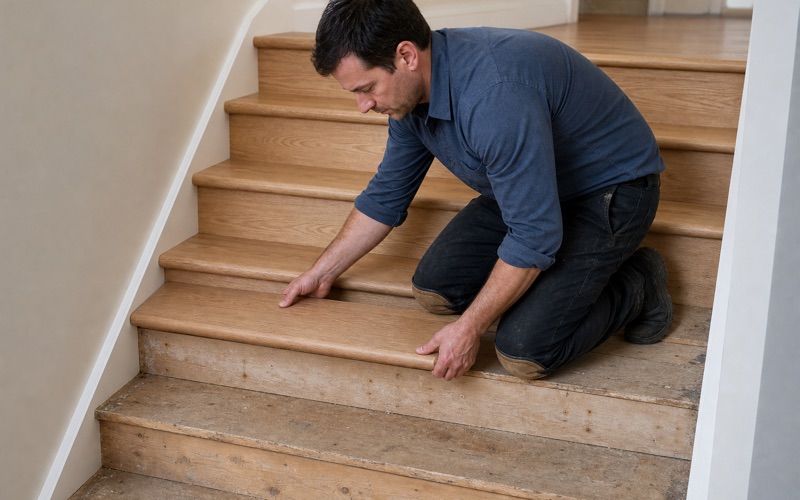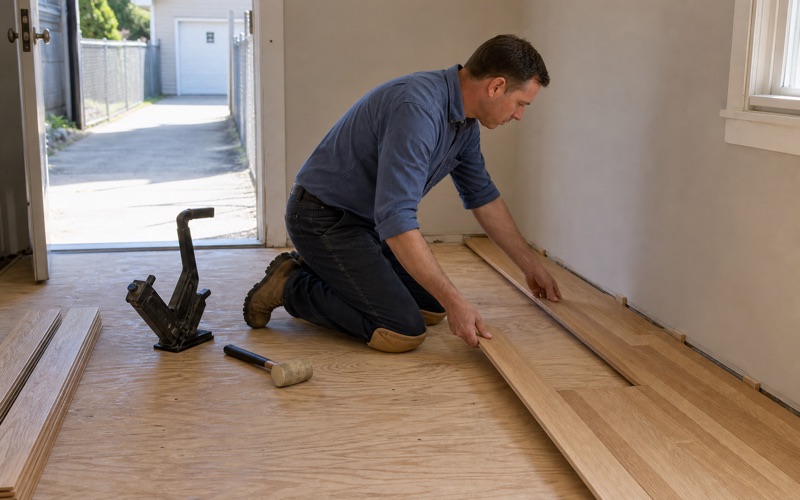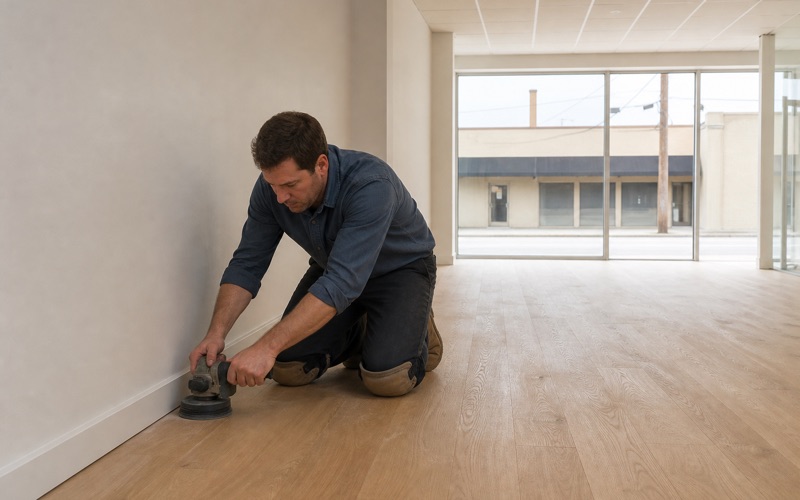
Bell Gardens Wood Flooring provides wood flooring in Florence-Graham with a strong bias toward repairing what is already down. Close to half the homes here predate 1950, ownership rates are low, and a full replacement is very often a disproportionate answer to what is actually wrong with a floor. That bias is not charity and it is not a marketing position. On housing of this age the original boards are frequently better material than anything currently sold, the damage is usually localized rather than general, and the cost difference between a repair with a refinish and a new floor is substantial enough to matter to almost everybody.
What it requires is a contractor willing to scope the smaller job accurately. Quoting a whole-room replacement is quicker and pays better, and it is the wrong recommendation often enough here that we have made checking the alternative a standard part of the first visit rather than something we do on request.
Repair Before Replacement
Board Replacement and Weaving In
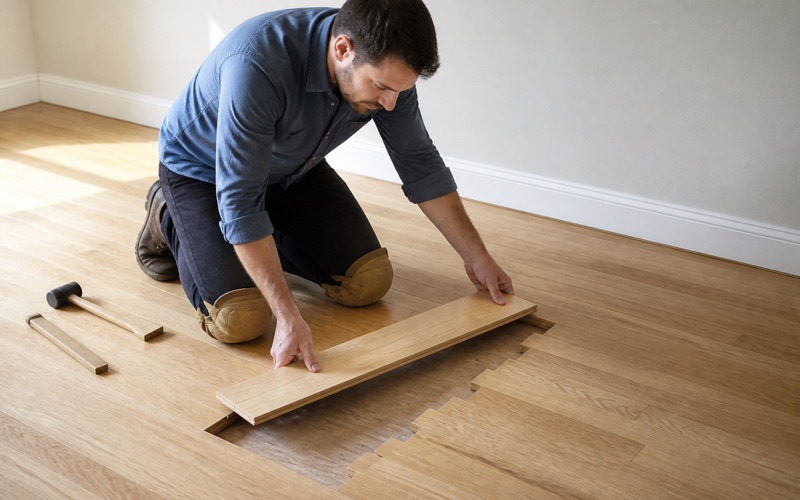
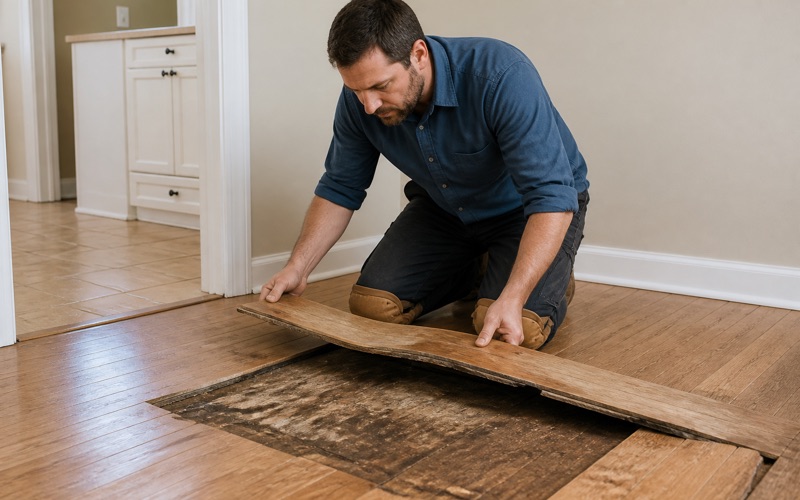
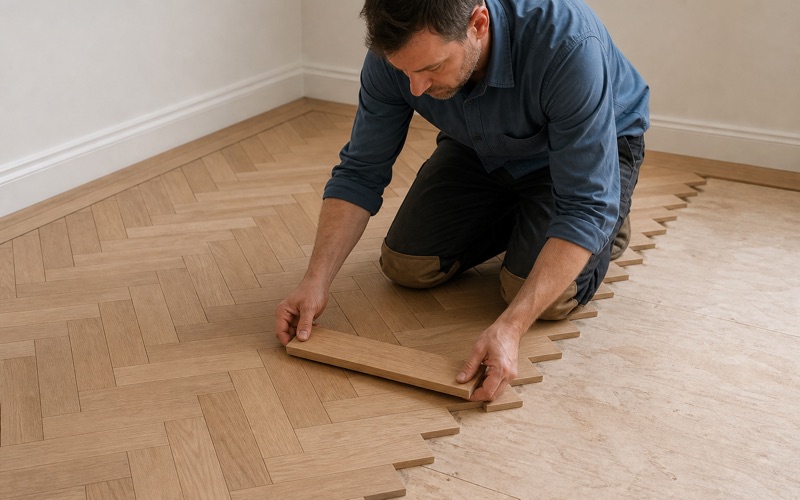
A cracked, split, burned or deeply stained board can be lifted out on its own without disturbing the boards around it, and a matching board goes back in its place. Done properly the repair disappears entirely once the floor is refinished. The technique that matters is weaving rather than patching. Cutting a straight-edged rectangle out of a floor and dropping a block into it announces itself for the rest of that floor’s life, whereas staggering the end joints into the existing field leaves nothing visible at all.
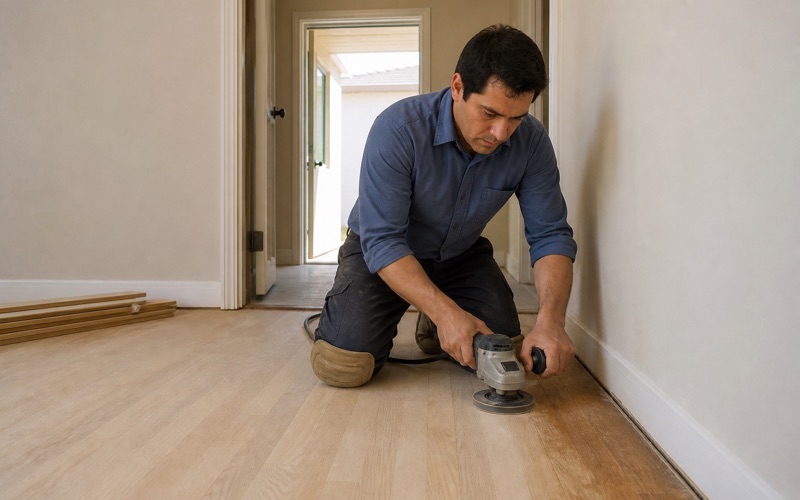
The other half of an invisible repair is the finish. New wood does not take stain the way wood that has been down for seventy years does, so on anything more than a board or two we would generally refinish the room rather than attempt a spot blend that will show.
Dutchman Patches for Local Damage
Where damage sits within a single board and does not justify lifting it, a dutchman is a shaped piece let into the board itself, matched for species and grain direction. It is a traditional repair, it is quick, and it avoids disturbing a large area of otherwise sound floor to reach one flaw. It suits burn marks, small areas of rot and localized damage particularly well. On a floor where boards are hard to source it is frequently the better answer than replacement, because it needs a fraction of the material and no match on profile at all.
It is also considerably less disruptive. A dutchman is cut and fitted in place without lifting anything, so a room stays usable in a way it does not when boards are coming up and the subfloor is exposed underneath them.
Knowing When Repair Is Not the Answer
We are not sentimental about this. A floor already sanded down to the tongue has nothing left to remove, and no amount of skill puts thickness back into a board that has given up its last refinish. Widespread water damage, boards split along the grain across a whole room, or a subfloor that has failed underneath are all replacement conditions rather than repair ones. The point is that the question gets asked properly, not that the answer is always to keep what is there.
Looking for wood flooring closer to Watts? See Watts Wood Flooring.
What These Houses Are Made Of
Original Oak and Douglas Fir
Housing built here in the first half of the century commonly carried oak strip in the principal rooms and Douglas fir elsewhere, and a great deal of it was covered over with carpet or vinyl in the decades since. Lifting a corner before quoting is the most useful thing we do on a first visit. Old-growth fir is dense, tight-grained and quite unlike the fast-grown timber sold under the same name today. A contractor who mistakes it for a cheap softwood will recommend replacing a floor that ought to be restored, which is an expensive misreading.
Fir also sands far faster than oak, which sounds convenient and is the real hazard. It is easy to take off much more than necessary, so we work with a lighter cut and check progress more often than we would on a hardwood floor.
Raised Construction and What Sits Underneath
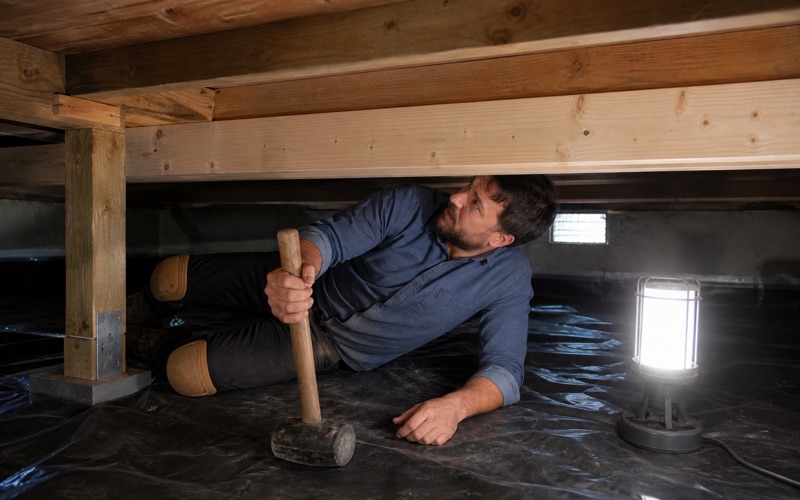
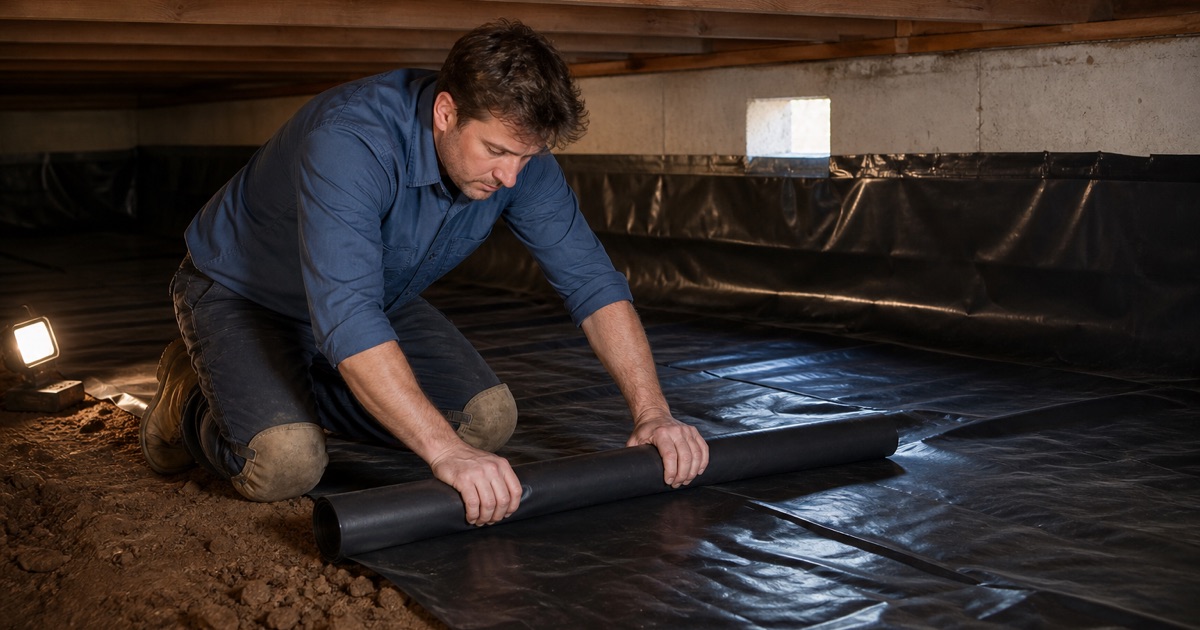
With this much older housing, raised construction over a crawl space is common, and the crawl space is where most cupping complaints are actually resolved. Bare soil releases moisture into the joists and the underside of the boards continuously, all year round. A properly laid polyethylene ground cover with genuinely clear vents corrects a surprising share of those problems on its own, for very little money. We look before quoting any floor work, because sanding a floor while the source underneath is still active buys one season and spends thickness permanently.
Vents are the part most often blocked without anybody noticing. Landscaping, added paving and stored material against the perimeter all close them off gradually, and clearing them is frequently half the fix on its own.
Reading the Neighborhood’s Housing
Florence-Graham is a census-designated place taking in the communities of Florence, Firestone Park and Graham, with a population of 61,983 at the 2020 census, neighbored by Central-Alameda, Green Meadows, Lynwood, Vernon, Walnut Park, Watts and Compton. It is unincorporated, so Los Angeles County rather than a city is the building authority. That matters for the permit question, which is worth answering accurately. Floor covering is exempt finish work under the county code, and the subfloor or joist repair underneath it is not, since altering or repairing a building is permit work in its own right.
Rental Property and Turnovers
Scoping Against a Date
A good deal of this work happens between tenancies, where a unit has to be back in service on a fixed date and every additional day is a real cost. We work to that date and we say in advance what is genuinely achievable rather than agreeing to a schedule we already doubt. Frequently the honest answer is that a screen and recoat will meet the date and a full sand and refinish will not. We would rather say that at the quote and do the smaller job properly than commit to the larger one and hand back a floor nobody can walk on.
Waterborne finishes matter here for the same reason. They cure faster than oil-modified systems and carry far less odor, which on a turnover is the difference between handing a unit back on the date and handing it back three days later.
Repairs That Suit a Rented Unit
For a rental, the sensible standard is a floor that is sound, safe and presentable rather than immaculate. Board replacement plus a recoat delivers that at a fraction of the cost of a full refinish and takes a fraction of the time out of service. We will tell you where a defect is cosmetic and where it genuinely needs addressing. A contractor who treats every mark as a reason to sand a whole unit is not serving an owner running several properties on a budget that has to work.
There is a line, though, and we hold it. A floor with boards that are split, lifting or unsound underfoot is a safety matter rather than a presentation one, and we will not sign off on making that look acceptable without correcting it.
Keeping Records Between Tenancies
Documenting the floor’s condition at the point of work is worth doing, and we photograph and note it as a matter of course. It gives an owner a clear record of what was done and what state the floor was in, which is useful at the next changeover. We also record the product and finish specification for anything we install or refinish. That is what makes a repair three years later match rather than approximately match, and on a portfolio of units it saves a great deal of guessing.
Working on These Streets
Density, Access and Noise
This is a dense, close-set area, so getting material and machines to a house takes more planning than a wider street would. We walk the route at the quote rather than discovering it on the morning a delivery is booked. Sanding is loud and houses sit close together, so the noisy stages are scheduled well inside permitted working hours rather than pressed against them. A complaint against a property outlasts the floor by a long way and costs the owner far more than the half day it saves.
Where a unit is occupied while work runs, we agree the sequence in advance: which rooms go first, where furniture goes, and which nights a freshly coated floor closes a route between rooms. Those dates go in writing rather than being described in general terms.
Lead-Safe Work as Standard
With this proportion of housing predating 1978, effectively all sanding work here falls under the federal Renovation, Repair and Painting rule. Containment, sealed openings and controlled cleanup are the required method rather than an upgrade offered once machines are running. It also produces a better finish, which is worth saying. Most of what spoils a coat is airborne dust settling into it while it is still wet, so a properly contained job simply looks better than one done with the doors open.
Matching Board From This Era
Where boards need replacing, the tongue and groove profile is usually harder to match than the species, because milling has changed and thickness was far less standardized when these floors went down. Salvage is often the answer and it is worth the search. We identify species, grade, width, thickness and profile before sourcing anything, and we say at the quote whether a genuine match is achievable rather than finding out with the floor already open. That is the point at which a modest repair turns into an argument about a whole room.
- Licensed & Insured
- 20+ Years Experience
- Free Written Quotes